
There’s nothing quite like curling up by the fireplace on a cold winter evening in the DMV area. Whether you’re in a cozy Bethesda colonial or a charming Alexandria townhome, that warm glow brings real comfort to your home. But here’s something many homeowners don’t think about: that same chimney that provides warmth can quietly compromise the air you and your family breathe every day.
At Sweep Your Chimney DMV, we’ve helped hundreds of homeowners across Maryland, Virginia, and Washington, D.C. understand how a dirty chimney can impact indoor air quality. And the truth is, most people don’t realize there’s a problem until they’re dealing with persistent odors, respiratory issues, or worse. The connection between chimney maintenance and the air inside your home is more direct than you might expect. Let’s break down exactly what’s happening inside your chimney and why it matters for your health.
Key Takeaways
- A dirty chimney can release harmful pollutants like carbon monoxide, creosote vapors, and particulate matter into your home’s indoor air.
- Creosote buildup emits volatile organic compounds (VOCs) even when your fireplace isn’t in use, causing musty odors and health risks.
- Chimney blockages from debris, animal nests, or soot can cause dangerous backdrafts that push smoke and gases into your living space.
- Warning signs of poor indoor air quality from your chimney include persistent smoky odors, respiratory irritation, and carbon monoxide detector alerts.
- Schedule annual chimney inspections and cleanings to prevent pollutant buildup and protect your family’s respiratory health.
- Burning only seasoned hardwood and ensuring proper ventilation helps reduce creosote formation and keeps indoor air cleaner.
What Builds Up Inside a Neglected Chimney
When you burn fires throughout the season, your chimney does the hard work of venting smoke, gases, and combustion byproducts out of your home. But over time, these substances don’t just disappear. They leave residue behind, coating the interior walls of your flue. The longer you go without cleaning, the more these deposits accumulate, and the bigger the problem becomes.
Creosote Accumulation
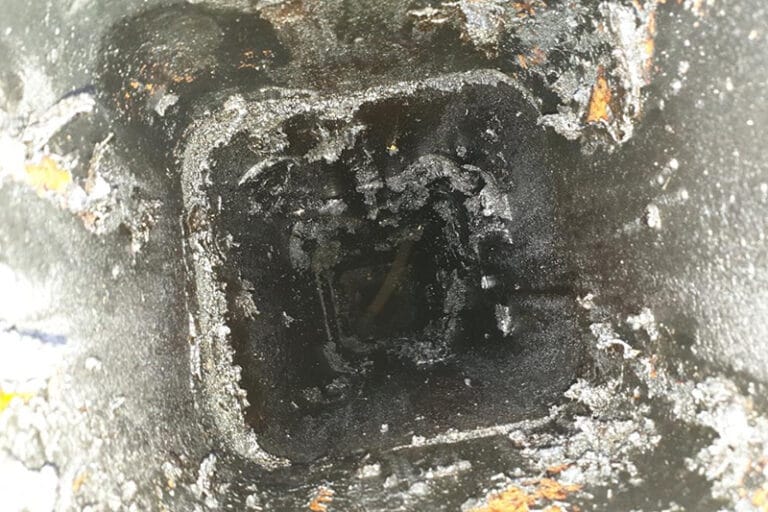
Creosote is the big one. If you’ve ever looked inside an older chimney, you’ve probably noticed that dark, tar-like substance clinging to the walls. That’s creosote, and it forms when wood smoke condenses on the cooler surfaces of your chimney liner.
Here’s what makes creosote particularly concerning: it doesn’t just sit there harmlessly. As it ages and gets exposed to heat and moisture cycles, creosote releases volatile organic compounds (VOCs) and other toxins into the air. This happens even when you’re not actively using your fireplace. So that musty, acrid smell you notice near your hearth during summer months? That’s likely creosote off-gassing into your living space.
Creosote also comes in three stages. Stage one is a flaky, easy-to-remove soot. Stage two becomes sticky and tar-like. Stage three hardens into a shiny, almost glass-like coating that’s extremely difficult to remove. The further along the buildup progresses, the more it restricts airflow and the greater the fire risk becomes.
Soot and Debris Deposits
Soot is another constant companion in any working chimney. This fine black carbon powder is a direct product of incomplete combustion. While it might seem harmless compared to creosote, soot particles are incredibly small and lightweight. They settle on surfaces throughout your home and can spread through your HVAC system, reaching rooms far from your fireplace.
Then there’s debris. Chimneys are essentially vertical tunnels open to the sky, which makes them attractive to animals and vulnerable to falling debris. Leaves, twigs, broken mortar, and even bird or squirrel nests can accumulate inside your flue. These blockages don’t just restrict airflow: they create perfect conditions for moisture buildup and mold growth, adding another layer of air quality concerns.
How Chimney Blockages Release Pollutants Into Your Home
Your chimney operates on a simple principle: hot air rises. When you light a fire, the heated gases naturally draft upward and out through the flue, pulling fresh air into your home to replace what’s consumed by combustion. It’s an elegant system when everything works correctly.
But when blockages form, whether from excessive creosote buildup, animal nests, or debris, that upward draft gets compromised. The smoke and gases that should be exiting your home have nowhere to go. So they take the path of least resistance, which often means reversing course and spilling back into your living space.
This backdraft effect is more common than you’d think. Homeowners across Rockville, Silver Spring, and throughout the DMV regularly call us because they’re noticing smoke lingering in their rooms long after the fire has died down. Sometimes they smell something “off” but can’t pinpoint the source. Other times, their smoke detectors seem to go off for no reason.
What’s happening is that partially combusted gases, fine particulates, and even carbon monoxide are entering your home instead of venting outside. And it’s not just wood-burning fireplaces at risk. Gas fireplaces and furnaces that share a chimney flue can also be affected. When the chimney can’t properly vent, these appliances can’t operate safely, and the byproducts end up circulating through your home’s air.
Common Indoor Air Pollutants From Dirty Chimneys
So what exactly are we talking about when we say “pollutants”? Let’s get specific about the substances that can enter your home from a poorly maintained chimney.
Carbon Monoxide
Carbon monoxide deserves its own discussion because it’s genuinely dangerous. This colorless, odorless gas is produced whenever fuel burns incompletely, and it’s responsible for over 400 deaths in the United States each year from non-fire-related poisoning, according to the CDC.
The scary thing about carbon monoxide is that you can’t detect it without proper equipment. It doesn’t smell. It doesn’t irritate your eyes or throat. You simply start feeling symptoms like headaches, dizziness, confusion, and fatigue. At high concentrations, it can be fatal.
When your chimney is blocked or your flue liner is damaged, carbon monoxide that should be venting outside can seep back into your living areas. This is especially concerning for homes in areas like Potomac, Great Falls, or McLean where larger homes might have multiple fireplaces or complex chimney systems. Every fireplace needs a clear path to vent properly.
Particulate Matter and Smoke
Particulate matter refers to the tiny particles suspended in smoke and combustion gases. We’re talking about particles so small they can penetrate deep into your lungs and even enter your bloodstream. The Environmental Protection Agency classifies these as PM2.5 (particles smaller than 2.5 micrometers) and considers them a significant health hazard.
When your chimney is dirty or blocked, these particles don’t exit your home as they should. Instead, they circulate through air currents, settle on furniture and carpets, and get breathed in by everyone in your household. They’re particularly irritating to the respiratory system and can trigger symptoms in people with asthma, allergies, or other sensitivities.
Smoke particles also carry other compounds along for the ride, including polycyclic aromatic hydrocarbons (PAHs) and various volatile organic compounds. None of these belong in your indoor air.
Health Risks Associated With Poor Chimney Maintenance
The connection between a dirty chimney and health problems is well documented. When pollutants from your chimney enter your living space, the effects can range from mild annoyances to serious medical concerns.
Respiratory Issues are often the first sign something’s wrong. Coughing, wheezing, shortness of breath, and increased mucus production can all result from breathing in chimney pollutants. For people who already have asthma or COPD, these exposures can trigger flare-ups and worsen existing conditions.
Headaches and Fatigue frequently accompany poor indoor air quality, especially when carbon monoxide is involved. Low-level carbon monoxide exposure often mimics flu symptoms, which means it can go undiagnosed for extended periods.
Allergic Reactions can also stem from chimney-related pollutants. Mold spores from moisture buildup, dust mites that thrive in soot deposits, and various organic compounds can all trigger allergic responses. If you’re noticing increased sneezing, itchy eyes, or skin irritation, your chimney could be a contributing factor.
Long-term Health Concerns are perhaps the most worrying. Chronic exposure to particulate matter and VOCs has been linked to cardiovascular problems, respiratory infections, and other serious conditions. Children and elderly family members are particularly vulnerable because their respiratory and immune systems are either still developing or more compromised.
Homeowners throughout College Park, Hyattsville, and the surrounding areas often tell us they didn’t connect their health symptoms to their chimney until after we completed a cleaning and they noticed the difference. Sometimes the air quality problems develop so gradually that you don’t realize how bad things have gotten.
Warning Signs Your Chimney Is Affecting Air Quality
How do you know if your chimney is actually impacting your indoor air quality? Here are the warning signs we tell homeowners to watch for:
- Persistent smoky odors in your home, even when you haven’t had a fire recently. This often indicates creosote buildup or poor ventilation.
- Staining on walls, ceilings, or furniture near your fireplace. Dark residue or discoloration suggests that smoke and soot are entering your living space rather than venting properly.
- Fires that burn poorly or produce excessive smoke. If your fireplace smokes up the room or the fire seems to smolder rather than burn cleanly, you likely have a draft problem caused by blockages.
- Respiratory irritation after using your fireplace. If you or family members notice coughing, scratchy throats, or headaches following fireplace use, that’s a clear signal something isn’t right.
- A strong creosote smell, especially in warm or humid weather. Creosote odor intensifies with heat and moisture, so summer can actually be when you notice it most.
- Visible debris falling into your firebox or evidence of animal activity around your chimney cap.
- Carbon monoxide detector alerts, even at low levels. Don’t ignore these. They’re telling you something important.
If you’re experiencing any of these issues in your Gaithersburg, Columbia, or Falls Church home, don’t wait to address them. These signs indicate that your chimney needs professional attention.
Best Practices for Maintaining a Clean Chimney
The good news is that preventing chimney-related air quality problems is straightforward. It just requires some attention and regular maintenance.
Schedule Annual Inspections and Cleanings
The National Fire Protection Association recommends having your chimney inspected at least once a year, and cleaned when necessary. For homeowners who use their fireplace frequently throughout the season, annual cleaning is typically essential. A professional chimney sweep will remove creosote, soot, and debris while also checking for damage to your flue liner, cap, and masonry.
Burn Seasoned Wood Only
If you have a wood-burning fireplace, the type of wood you burn matters enormously. Seasoned hardwood that’s been dried for at least six months burns hotter and cleaner than green or soft wood. This means less creosote formation and better combustion overall. Avoid burning treated lumber, cardboard, or trash, as these create additional pollutants and accelerate buildup.
Monitor for Blockages
Keep an eye on your chimney cap and the area around your flue opening. If you notice birds or other animals showing interest in your chimney, or if you hear sounds coming from inside the flue, address it promptly. A quality chimney cap with mesh screening can prevent most animal intrusions.
Ensure Proper Ventilation
Make sure your damper is fully open before lighting fires and that it closes properly when the fireplace isn’t in use. For gas fireplaces, have the venting system checked regularly to ensure it’s functioning correctly.
Address Repairs Promptly
If you notice cracks in your chimney liner, damaged masonry, or a deteriorating cap, get these issues fixed before they create bigger problems. Damaged liners can leak combustion gases into your home’s walls or attic space, creating hidden air quality hazards.
Conclusion
Your chimney plays a bigger role in your home’s air quality than most people realize. When it’s clean and functioning properly, it safely vents smoke, gases, and particulates outside where they belong. When it’s neglected, those same pollutants can end up circulating through your living space, affecting your family’s health and comfort.
The homeowners we work with across Arlington, Vienna, Annandale, Ellicott City, Elkridge, Chevy Chase, Washington D.C., and throughout the DMV region often tell us they wish they’d addressed their chimney concerns sooner. Whether you’re noticing warning signs or simply haven’t had an inspection in a while, taking action now protects both your air quality and your peace of mind.
At Sweep Your Chimney DMV, our certified chimney professionals are ready to help you maintain a healthy home. Whether you need a routine cleaning, a thorough inspection before buying or selling a property, or repairs to restore proper function, we’re here to ensure your chimney works the way it should. Give your fireplace the attention it deserves. Contact us today to schedule your service and start breathing easier.
Frequently Asked Questions
How does a dirty chimney affect indoor air quality?
A dirty chimney releases pollutants like creosote, soot, carbon monoxide, and particulate matter into your home. When blockages form from buildup or debris, smoke and combustion gases can backdraft into living spaces instead of venting outside, compromising the air your family breathes.
What are the warning signs that your chimney needs cleaning?
Key warning signs include persistent smoky odors even without a fire, staining on walls near your fireplace, fires that burn poorly or produce excessive smoke, respiratory irritation after fireplace use, strong creosote smells in warm weather, and carbon monoxide detector alerts.
How often should you have your chimney inspected and cleaned?
The National Fire Protection Association recommends annual chimney inspections and cleaning when necessary. Homeowners who use their fireplace frequently throughout the season typically need yearly cleaning to remove creosote, soot, and debris while ensuring the flue liner and chimney cap remain in good condition.
Can a dirty chimney cause carbon monoxide poisoning?
Yes, a blocked or damaged chimney can allow carbon monoxide to seep back into your home. This colorless, odorless gas causes symptoms like headaches, dizziness, and fatigue. At high concentrations, it can be fatal—making proper chimney maintenance essential for household safety.
What is creosote and why is it dangerous?
Creosote is a dark, tar-like substance that forms when wood smoke condenses on chimney walls. It releases volatile organic compounds into your home even when the fireplace isn’t in use. As it progresses through three stages, creosote restricts airflow, increases fire risk, and worsens indoor air quality.
Does burning certain types of wood reduce chimney buildup?
Yes, burning seasoned hardwood dried for at least six months creates less creosote than green or soft wood. It burns hotter and cleaner, improving combustion efficiency. Avoid burning treated lumber, cardboard, or trash, as these accelerate buildup and introduce additional harmful pollutants.
