
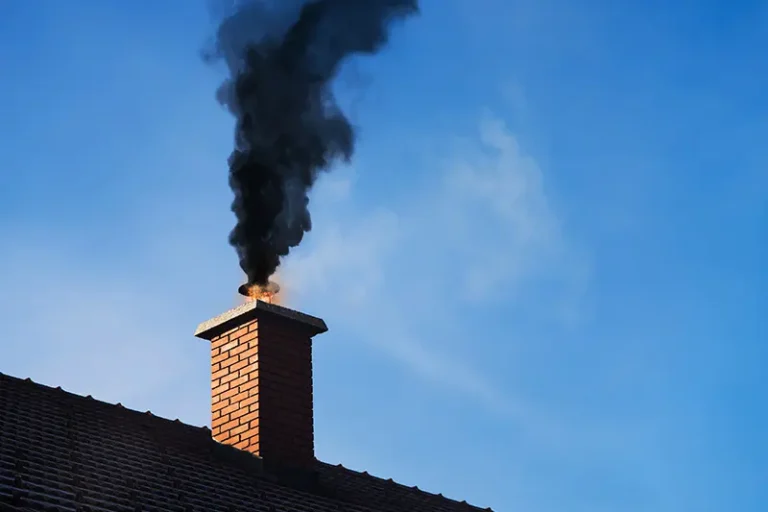
Carbon monoxide risks from poor chimney venting aren’t abstract, they’re real, local, and preventable. At Sweep Your Chimney DMV, we’ve seen how a small crack in a liner or a blocked flue can push CO back into living spaces. If you use a wood-burning or gas fireplace in the Southern Virginia and DC area, this guide explains what’s happening inside your chimney, how to spot danger early, and the steps we take to keep your home safe.
How Carbon Monoxide Forms and Moves in Chimneys
Carbon monoxide (CO) forms when fuel doesn’t burn completely. Wood, natural gas, propane, oil, charcoal, and kerosene can all produce CO. In a healthy system, hot flue gases rise through the chimney and escape outdoors while fresh air feeds the fire. When venting is restricted or the system is mismatched, combustion gets sloppy and CO lingers or reverses into the home.
Common Fuel-Burning Appliances Connected to Chimneys
Several appliances depend on proper venting to move CO out of your house:
- Fireplaces and wood stoves
- Gas fireplaces (vented, direct vent, B-vent) and gas logs
- Furnaces and boilers
- Gas water heaters
- Some clothes dryers and space heaters
We service and inspect these systems routinely across Washington, D.C., Northern Virginia, and suburban Maryland. If any one of them is struggling for air or tied into a damaged flue, CO can enter bedrooms and living areas quietly.
Draft, Stack Effect, and Pressure Imbalances
Draft is the upward pull created when hot gases inside the flue are lighter than the cooler outdoor air. Taller chimneys generally draft better. Modern airtight homes complicate this. Weather stripping, sealed windows, strong kitchen hoods, and bath fans can pull the house into negative pressure. When that happens, the home can tug air down the chimney instead of letting gases rise. High-efficiency gas appliances also vent cooler, moisture-heavy exhaust that can condense inside masonry flues, corroding liners and shrinking draft. The result can be spillage at the appliance, slow-starting fires, and elevated CO indoors.
Venting Failures That Lead to Dangerous CO Levels
When we’re called for smoke spillage or CO alarm activations, we usually find one or more of these venting failures.
Blocked or Undersized Flues
Creosote and soot buildup, fallen masonry, animal nests, or a collapsed terracotta tile can choke the flue. An undersized liner paired with a large fireplace opening or a newer furnace can also stall draft. Even if you can see a little daylight looking up, hidden blockages higher in the stack are common. In gas conversions, residues from prior oil equipment can mix with moist exhaust and flake liners from the inside out.
Cracked Liners and Leaks Into Living Spaces
Clay tiles can crack, mortar joints can open, and metal connectors can rust. Any gap between appliance and chimney becomes a leak path for CO. We also find single-wall pipes that are too long, too horizontal, or missing screws at joints. Once flue gases escape the intended path, they cool, lose buoyancy, and get pulled into rooms, basements, or wall cavities.
Backdrafting From Exhaust Fans and Tight Homes
Strong exhaust fans, dryers, and even whole-house fans can overpower a marginal draft. When the home is under negative pressure, combustion gases spill out of draft hoods and fireplaces. You might notice a cold smell at the firebox, smoke rolling into the room on startup, or soot streaks above the opening. All are red flags for possible CO movement.
Improper Conversions and Shared Venting
We often see new gas appliances vented into older masonry chimneys without a correctly sized liner. The cooler gas exhaust condenses and corrodes the flue, and the reduced heat makes draft weaker. Shared venting can also be a problem when two appliances fight each other for the same flue. If your home has been renovated or appliances were replaced, it’s worth confirming that the venting was updated correctly.
Warning Signs and Health Effects
Carbon monoxide is colorless and odorless, so the first signs are often how people feel or how the system behaves.
Physical Symptoms and Exposure Timeframes
Symptoms vary with concentration and exposure time:
- Low levels: fatigue, mild headache, chest discomfort in those with heart disease
- Moderate levels: dizziness, nausea, confusion, impaired vision
- Higher levels: severe headache, poor coordination, flu-like illness without fever
- Very high levels: unconsciousness or worse
If symptoms ease when you step outside and return when you’re indoors, take it seriously and get everyone out.
In-Home Clues of Poor Venting
Watch for these clues:
- Fires that are hard to start or won’t stay lit
- Smoke spillage from a fireplace or stove door
- Soot stains around the fireplace, appliance, or ceiling nearby
- Water stains, efflorescence, or crumbling tiles in the firebox or at the chimney
- A persistent, odd odor near the appliance area (CO itself has no smell, but poor venting often comes with other combustion byproducts)
Any of these combined with a chirping or sounding CO alarm means it’s time to act.
Prevention and Maintenance Best Practices
Good venting isn’t luck. It’s design, maintenance, and a few simple habits.
Annual Inspections and Professional Sweeping
We recommend at least one inspection per year. Our technicians check the firebox, smoke chamber, flue, liner continuity, clearances, and appliance connections. If you burn wood, a sweep removes creosote that can restrict draft and ignite. If you run gas equipment, we verify draft performance, spillage at the draft hood, and proper connector sizing. Sweep Your Chimney DMV offers Level 1, Level 2 camera-assisted inspections when systems change or a sale is pending, and targeted repairs if we find hazards.
Proper Liner Sizing and Materials
High-efficiency gas furnaces and water heaters often need a stainless steel liner sized to the appliance. Masonry flues that served oil or open fireplaces typically aren’t a safe match. For damaged terracotta or corroded stacks, we install UL-listed stainless liners or perform a full relining to restore a continuous, code-compliant vent path that improves draft and reduces CO risk.
Combustion Air and Make-Up Air Solutions
Tight homes may need dedicated combustion air. Options include outside air kits for stoves, make-up air inlets, or adjusting how exhaust fans are used. We test pressure imbalances and recommend practical fixes so your chimney isn’t competing with the range hood.
Safe Operation Habits for Fireplaces and Stoves
- Warm the flue: Crack a window near the fireplace and preheat the flue with a rolled newspaper for easier startup.
- Open dampers fully before lighting and keep glass doors slightly open if your manufacturer allows.
- Never use charcoal, kerosene heaters, or a gas oven for heat indoors.
- Store ashes in a metal container outdoors away from the house.
- Keep the area around the appliance clear for airflow.
Mid-season, if you notice new odors, sluggish draft, or soot, call us. Small changes can signal growing CO risks.
Detection, Codes, and When to Upgrade
Good detectors and code-compliant installs are your safety net when something goes wrong.
CO Alarms: Placement, Testing, and Interconnection
Place CO alarms outside each sleeping area and on every level of your home. If you have bedrooms on different floors, put alarms on each level. Test monthly, replace batteries as directed, and note the device’s end-of-life date. Interconnected alarms are best, so if one sounds, they all sound.
Code Requirements and Manufacturer Instructions
We follow current codes and the manufacturer’s venting tables for liner size, connector rise, and total equivalent length. Clearances to combustibles, support brackets, and proper termination heights all matter for safe draft. If repairs are needed to meet code, we’ll explain options and pricing before we proceed.
When to Relocate, Re-Line, or Replace Appliances
If a chimney is severely cracked, undersized, or mismatched to the appliance, we recommend relining or, in some cases, a direct-vent upgrade that bypasses the masonry flue. Older gas logs without proper safety features may warrant replacement. We’ll walk you through the pros and cons of each approach for your home and budget.
What to Do If You Suspect CO Exposure
Immediate Safety Steps
- Get everyone outside to fresh air right away.
- Call 911 or your local fire department.
- Do not open windows and then stay inside to “air it out.” Leave and wait for responders.
- Don’t re-enter until the scene is cleared. Seek medical care for anyone with symptoms.
How Pros Diagnose Draft and CO Issues
Once it’s safe, we perform a structured evaluation: CO measurements near appliances, draft and spillage tests at the draft hood, combustion analysis for gas units, and a camera inspection of the flue to check for cracks, blockages, and offsets. We review appliance sizing, connector pitch, and competing exhaust fans. From there, we recommend fixes such as sweeping, relining, resizing connectors, adding make-up air, or adjusting appliance settings. Sweep Your Chimney DMV documents findings with photos and a clear report, so you understand the cause and the cure.
Conclusion
Carbon monoxide risks from poor chimney venting are preventable with the right mix of inspection, design, and everyday habits. If you live in Rockville, Bethesda, Hyattsville, Silver Spring, College Park, Gaithersburg, Elkridge, Ellicott City, Potomac, Chevy Chase, Columbia, Alexandria, Annandale, Arlington, Vienna, Great Falls, Falls Church, McLean, Washington, D.C., and beyond, we’re nearby and ready to help. Call Sweep Your Chimney DMV to schedule an inspection, gas fireplace service, chimney relining, or dryer vent cleaning. We’ll make sure your system vents safely, runs efficiently, and keeps your family comfortable all season.
Frequently Asked Questions
What are the carbon monoxide risks from poor chimney venting?
Poor chimney venting can let carbon monoxide re-enter living spaces, leading to headaches, dizziness, nausea, or worse at high levels. Blocked or undersized flues, cracked liners, and appliance mismatches weaken draft and cause spillage. Addressing carbon monoxide risks from poor chimney venting requires inspection, proper lining, and adequate combustion air.
What warning signs suggest my chimney is causing CO issues?
Watch for fires that are hard to start, smoke spillage on startup, soot stains around appliances, cold odors near the firebox, and water stains or crumbling tiles. If symptoms improve outdoors and return indoors—or a CO alarm sounds—evacuate, call 911, and schedule a professional chimney evaluation.
How do draft and negative pressure create carbon monoxide risks from poor chimney venting?
Draft lifts hot gases upward, but tight homes, strong kitchen hoods, bath fans, or dryers can create negative pressure that pulls air down the flue. Cooler, moisture-laden exhaust from high-efficiency appliances can also stall draft, causing spillage and elevated indoor CO if the liner is damaged or mis-sized.
What’s the best way to prevent CO from fireplaces and gas appliances?
Schedule annual inspections and sweepings, use correctly sized stainless steel liners for modern gas units, and provide combustion or make-up air in tight homes. Preheat the flue, open dampers fully, and avoid using charcoal or ovens for heat. Fix blockages, leaks, or shared-vent conflicts before the heating season.
Where should carbon monoxide alarms be placed, and how often should I test them?
Install CO alarms outside each sleeping area and on every level of the home; place alarms on each floor with bedrooms. Test monthly, replace batteries as directed, and note the end-of-life date. Interconnected alarms are best so all units sound together, improving response time during a CO event.
What CO levels are dangerous, and will an air purifier remove CO?
Prolonged exposure above about 9 ppm is concerning; many alarms trigger around 70 ppm within 1–4 hours, faster at higher levels. If a CO alarm sounds, evacuate and call 911. Standard HEPA air purifiers don’t remove CO—only fixing the source, improving ventilation, and proper venting resolve the hazard.
