
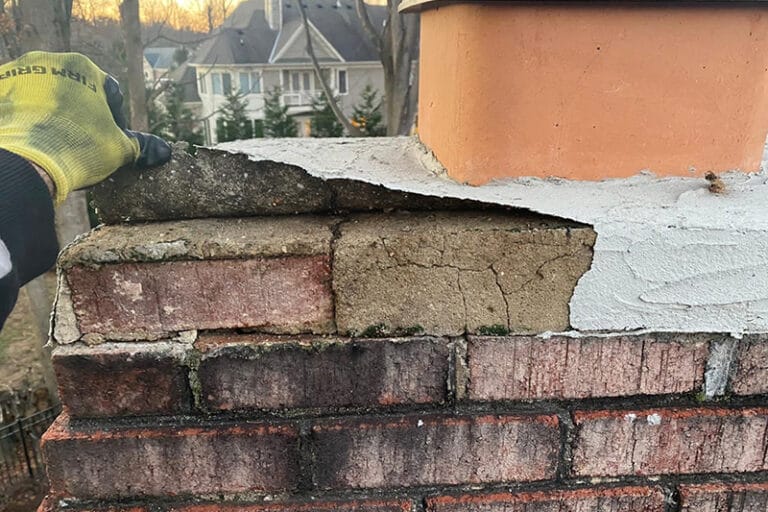
If you love the charm of an older Bethesda home, you probably love the fireplace too. The hidden reality is that many of these chimneys are working harder than they should. At Sweep Your Chimney DMV, we’ve inspected and repaired countless historic and mid-century chimneys across Bethesda, Chevy Chase, and the greater DC area, and we see the same issues again and again. Here’s what to watch for, how to prevent costly damage, and when to bring in a pro so your fireplace stays safe and efficient all season.
Key Takeaways
- Freeze–thaw cycles, older materials, and shaded rooflines make older Bethesda chimneys vulnerable to spalling, cracked mortar, and leaks—inspect for efflorescence, crown damage, and failing flashing.
- Prevent water intrusion and extend service life with compatible tuckpointing, a rebuilt crown with a drip edge, a stainless cap, breathable waterproofing, and proper roof drainage.
- Many Common Chimney Problems in Older Bethesda Homes start in the flue—unlined or damaged tiles and wrong sizing reduce draft and raise CO and fire risk; match the liner to the appliance and verify with a Level 2 camera scan.
- Fix smoke, odor, and draft issues by providing makeup air, installing a top-sealing damper, correcting stack height/termination, and considering a properly sized insert.
- Follow NFPA 211 by scheduling annual inspections (and cleanings for wood, gas, and oil as needed), monitoring for smoke spillage or white staining, and prioritizing safety repairs before cosmetic upgrades.
- For historic homes, use mortar and brick compatible with originals and plan for permits or historic review in Bethesda to ensure durable, compliant chimney repairs.
Why Older Bethesda Chimneys Are Vulnerable
Local Climate And Freeze–Thaw Cycles
Bethesda winters bring regular freeze–thaw cycles. When moisture gets into tiny masonry pores and then freezes, it expands and pops off the face of the brick. That’s spalling. Over time you’ll see flaking, surface pits, and loose shards around the chimney. Mortar joints crack, hairline fractures spread, and water finds new ways inside. The result is a chimney that looks tired and begins to leak.
Historic Construction Methods And Materials
Many pre-war and mid-century chimneys were built with softer bricks and lime-heavy mortars that move with the building but don’t love constant moisture. Plenty of older flues were left unlined or lined with tile that wasn’t sized for modern appliances. Beautiful, yes. Compatible with today’s heating loads and safety standards, not always.
Shifts In Building Codes And Appliance Compatibility
Modern codes expect lined flues, proper clearances from combustibles, and caps that keep out rain and animals. If you’ve converted to gas logs or a new insert, the original flue might be too large or too rough inside to draft correctly. That mismatch can mean smoke spillage, condensation in the flue, and increased carbon monoxide risk.
Tree Cover, Moisture, And Shaded Rooflines
Mature trees are part of the Bethesda look, but dense shade keeps masonry damp. Moss takes hold, efflorescence shows up as white staining, and crowns stay wet longer after storms. A constantly damp chimney ages faster, and water finds its way to ceilings and walls.
Masonry Deterioration And Water Intrusion
Spalling Bricks, Crumbling Mortar, And Efflorescence
Here’s what we typically spot in older Bethesda homes:
- Brick faces popping off or flaking
- Mortar joints recessed or missing
- White, powdery efflorescence that signals water migration
Left alone, these lead to loose bricks, leaning stacks, and interior leaks.
Crown And Cap Failures That Let Water In
A cracked crown acts like a funnel, sending water directly into the flue and chimney body. Missing or undersized caps invite rain, birds, and debris. A proper stainless cap also keeps sparks in and downdrafts out.
Leaky Flashing, Stains, And Interior Damage
Step and counter-flashing at the roofline should lock water out. When it pulls away or rusts, you end up with brown ceiling stains, peeling paint above the mantle, and musty odors. Water can also deteriorate the smoke chamber and firebox.
Prevention: Repointing, Crowns, Waterproofing, And Drainage
We usually recommend a package of fixes that work together:
- Tuckpointing with compatible mortar to restore joints
- Rebuilding or resurfacing the crown with a proper bond break and drip edge
- Installing a quality stainless cap with mesh
- Applying a breathable masonry water repellent
- Checking gutters, downspouts, and roof slope so water sheds away from the chimney
In many cases, these steps stop leaks and add years to the structure.
Flue And Liner Problems
Unlined, Oversized, Or Undersized Flues
Common chimney problems in older Bethesda homes often start inside the flue. Unlined or oversized flues struggle to warm up and draft, which means smoke and byproducts linger. Undersized flues can choke appliances and push smoke or CO into living spaces.
Cracked Clay Tiles, Gaps, And Offsets
Clay tiles can crack at joints, separate, or shift. We see tiles missing entirely, gaps that snag soot, and offsets that restrict flow. Any of these can allow heat to reach wood framing and increase fire risk.
Modern Liner Options: Stainless, Clay Repair, Cast-In-Place
- Stainless steel liners: versatile, durable, and ideal for gas or wood. Great for resizing and improving draft.
- Clay tile repair: selective tile replacement or joint repair when the system is largely intact.
- Cast-in-place systems: create a smooth, insulated flue that strengthens older stacks and improves draft.
We match the liner to the appliance and venting requirements, then pull a camera after installation to verify the run is correct.
Signs Of Liner Failure And Associated Risks
Watch for smoke rollout when you open the doors, persistent fireplace odors, visible tile fragments in the firebox, or dark stains at the masonry exterior. These point to liner damage, poor draft, and potential CO exposure. A Level 2 camera inspection confirms what’s happening behind the brick.
Draft, Smoke, And Odor Issues
Negative Pressure From Tight Homes And Exhaust Fans
Air-sealed renovations are great for energy bills but can starve a fireplace of makeup air. Kitchen hoods and bath fans pull the house negative, and the chimney becomes the path of least resistance. The result is smoke in the room or cold odors falling down the flue.
Short Stacks, Large Fireboxes, And Poor Combustion
Some older fireplaces were built wide and shallow. Pair that with a shorter exterior stack and you may never get stable draft. You’ll fight with a smoky start and a sooty face.
Creosote, Soot, And Summer Odor Problems
Creosote builds with cool, slow fires and wet wood. In summer, humidity activates those odors. Gas fireplaces can develop sulfur smells when moisture reacts with vent deposits. If you smell it, there’s a reason. A cleaning or adjustment usually fixes it.
Practical Fixes: Make-Up Air, Top-Sealing Dampers, And Stack Height
- Provide makeup air or crack a nearby window on start-up
- Install a top-sealing damper to reduce cold air sink and improve start-up draft
- Extend the stack or correct terminations that are too close to roof obstructions
- Consider a properly sized insert to resize the opening and stabilize draft
We handle these upgrades for clients across Bethesda, Chevy Chase, and Silver Spring.
Safety, Inspections, And Maintenance Priorities
NFPA 211 Levels: What Level 1, 2, And 3 Inspections Cover
- Level 1: Visual check of accessible portions of the chimney, flue, and appliance connections when nothing has changed and there are no concerns.
- Level 2: Required for real estate transfers, fuel changes, or after a malfunction. Includes a video scan of the flue to spot hidden defects.
- Level 3: Investigates known or suspected problems in concealed areas. May require opening finishes to access damage.
At Sweep Your Chimney DMV, we follow these standards and provide photo and video documentation so you can see what we see.
Warning Signs You Should Not Ignore
- Smoke spillage or a lingering campfire smell
- White staining or moss growth on the exterior
- Rusted damper, missing cap, or a visibly cracked crown
- Stains on ceilings near the chimney or a damp smell after rain
If you notice any of these, book an inspection before your next fire.
Cleaning Schedules For Wood, Gas, And Oil Appliances
- Wood-burning: Inspect annually and clean when creosote reaches 1/8 inch or sooner with heavy use.
- Gas: Inspect annually. Gas produces moisture that can corrode liners and create deposits.
- Oil: Inspect and sweep annually to remove soot and confirm venting.
Regular service keeps draft reliable and catches small issues before they turn into rebuilds.
Blockages: Animal Nests, Debris, And Creosote Glaze
Spring is prime time for birds and squirrels to move in. Leaves, twigs, and old nests choke draft and push smoke back into the home. Heavy third-degree creosote can look like shiny black glaze that won’t brush off. We use the right tools and methods to remove it safely.
Planning Repairs In Historic Bethesda Homes
Matching Mortar And Brick For Performance And Appearance
Historic mortars need to be compatible with the original material. Too hard and the brick takes the stress. We test, then match color, texture, and strength so repairs look right and last.
Permits, Historic Review, And Neighbor Considerations
Exterior chimney work may require permits, and homes in historic districts often need design review. We help you navigate the paperwork, set realistic timelines, and coordinate access in tight Bethesda lots where neighbors share rooflines and tree canopies.
Prioritizing Safety Repairs And Phasing Upgrades
Tackle safety first: liner integrity, structural stability, and water control. Then plan comfort and appearance upgrades like smoke stain removal, firebox repair, refacing, or an efficient gas insert. If you’re in Rockville, Potomac, or Arlington, we can phase projects to fit your budget and the season.
We serve homeowners throughout Bethesda, Rockville, Silver Spring, College Park, Gaithersburg, Ellicott City, Columbia, Chevy Chase, Potomac, and across Northern Virginia including Alexandria, Arlington, McLean, Vienna, Falls Church, and Annandale, plus Washington, D.C.
Conclusion
Older chimneys have character, but they also have quirks. With the right inspection, targeted repairs, and routine cleanings, you can keep yours safe, dry, and drafting well. If you’re dealing with leaks, smoke, or that telltale musty odor, we’re ready to help. Contact Sweep Your Chimney DMV for an inspection or repair visit in Bethesda and nearby communities. We also work throughout the DMV, including Elkridge, Ellicott City, Great Falls, and beyond. Let’s get your chimney squared away so you can enjoy the fire without worry.
Ready to schedule? Reach out to Sweep Your Chimney DMV today. We’ll handle the dirty work and leave you with a clean, efficient system that fits your home and your season.
Frequently Asked Questions
What are the most common chimney problems in older Bethesda homes?
Typical issues include spalling bricks, recessed or missing mortar joints, efflorescence from water migration, cracked or undersized crowns, missing or inadequate caps, leaky flashing, and flue defects such as unlined, oversized, or cracked tile liners. These lead to leaks, poor draft, smoke spillage, and potential carbon monoxide risks.
How do Bethesda’s freeze–thaw cycles damage older chimneys?
Moisture seeps into masonry pores and freezes, expanding and popping off brick faces (spalling). Repeated cycles create flaking, pits, and cracked mortar joints that let more water in. Over time, the chimney looks weathered, leaks form, and structural integrity can decline, especially on shaded, tree-covered rooflines.
What are clear signs a chimney liner is failing in an older Bethesda home?
Watch for smoke rollout when opening fireplace doors, persistent smoky or musty odors, tile fragments in the firebox, and dark exterior staining. These point to cracked or missing tiles, gaps, or an improperly sized flue—conditions that harm draft and elevate carbon monoxide and fire risks.
How often should I clean and inspect a chimney in an older Bethesda home?
Schedule annual inspections. For wood-burning systems, sweep when creosote reaches about 1/8 inch—or sooner with heavy use. Gas appliances also need yearly checks because moisture can corrode liners. Oil systems should be inspected and swept annually to remove soot and confirm safe, reliable venting.
How much does it cost to fix common chimney problems in older Bethesda homes?
Budgets vary with height, access, and historic constraints. Typical ranges: tuckpointing $8–$25 per sq. ft.; stainless cap 0–0; crown rebuild 0–,500; flashing repair 0–,200; stainless liner ,800–,000+; Level 2 video inspection 0–0. A professional assessment will prioritize safety and phase work as needed.
When is the best time to schedule chimney repairs and waterproofing in Bethesda?
Spring through early fall is ideal. Mortar, crowns, and breathable water repellents cure best in mild, dry weather above freezing. Booking repairs before heating season avoids cold-weather delays, and a late-summer or early-fall inspection helps catch draft, odor, and animal-nest issues before first fire.
