
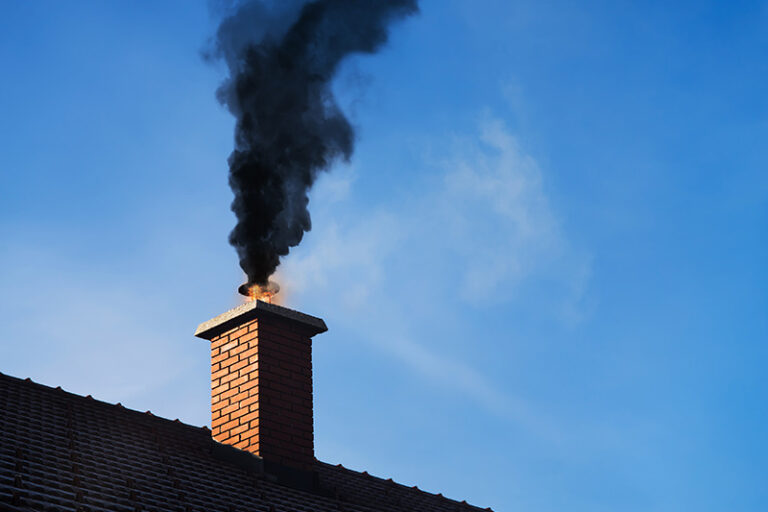
There’s nothing quite like the warmth of a crackling fire on a cold winter evening. But here’s the thing most homeowners don’t think about until it’s too late: that cozy fireplace can become a serious hazard if your chimney isn’t properly maintained. Chimney fires cause thousands of home fires every year in the United States, and the frustrating part? Most of them are entirely preventable.
At Sweep Your Chimney, we’ve helped hundreds of homeowners throughout Maryland, Virginia, and DC keep their fireplaces safe and efficient. We’ve seen firsthand what happens when chimney maintenance falls by the wayside, and we’ve also seen how simple, regular inspections can make all the difference. In this guide, we’ll walk you through everything you need to know about preventing chimney fires, from understanding why they happen to knowing exactly when to call in the professionals.
Why Chimney Fires Happen
Chimney fires don’t just happen out of nowhere. They’re the result of a slow, invisible buildup that most homeowners never even notice until something goes wrong. Understanding the root causes is your first step toward prevention.
The most common culprit? Restricted airflow combined with combustible deposits inside your flue. When wood burns incompletely, which happens more often than you’d think, it produces byproducts that stick to your chimney’s interior walls. Over time, these deposits become fuel for a fire of their own. Add in factors like burning unseasoned wood, poor ventilation, or a damaged flue liner, and you’ve got a recipe for disaster.
Structural issues also play a role. Over time, the inner lining of your chimney can deteriorate due to exposure to heat, moisture, and chemicals in the flue gases. A damaged lining doesn’t just decrease efficiency: it creates gaps where heat can escape to combustible parts of your home‘s structure.
The Role of Creosote Buildup
Let’s talk about creosote, it’s the main villain in most chimney fire stories. Creosote is a dark, tar-like substance that forms when wood smoke condenses on the cool interior surfaces of your chimney. It comes in three stages, and each one is progressively more dangerous.
Stage one creosote is flaky and relatively easy to remove with a standard chimney sweep. Stage two becomes denser, almost like tar or hardened flakes. By stage three, you’re dealing with a thick, shiny glaze that’s extremely difficult to remove and highly combustible. This glazed creosote can ignite at temperatures as low as 451°F, and once it catches fire, it burns hot and fast.
The scary part? Creosote builds up gradually, fire after fire, without any obvious warning signs. You won’t smell it. You won’t see it. But it’s there, accumulating with every use of your fireplace. That’s exactly why regular inspections and cleanings are so critical. We can catch and remove creosote buildup before it reaches dangerous levels.
Signs Your Chimney Needs an Inspection
Even if you’re diligent about annual inspections, there are times when your chimney will tell you something’s wrong between scheduled visits. Knowing what to look for can help you catch problems early, before they become expensive repairs or safety hazards.
Here are the warning signs we tell our customers to watch for:
A smoky or poorly burning fire. If smoke is coming back into your room instead of going up the chimney, or if your fires seem weak and struggle to stay lit, something’s blocking proper airflow. This could be creosote buildup, a blockage from debris or animal nests, or a damper issue.
Strange odors. A properly functioning chimney shouldn’t produce strong smells inside your home. If you notice a smoky, musty, or acrid odor, especially during humid weather, it’s often a sign of creosote buildup or moisture problems inside the flue.
Visible damage. Take a look at your chimney from the outside. Cracked or loose bricks, a damaged chimney cap, crumbling mortar, or white staining (called efflorescence) are all red flags. Inside, look for cracks in the firebox, damaged damper, or debris falling into the fireplace.
A buildup of soot. If you’re noticing more soot than usual around your fireplace opening or on nearby furniture, your chimney isn’t drafting properly.
Unusual sounds. Hear animals scratching or chirping? Birds and small mammals love to nest in chimneys, creating blockages that are both a fire hazard and a health concern.
If you notice any of these signs of trouble, don’t wait. Contact Sweep Your Chimney immediately so we can assess and rectify the situation before it escalates.
How Often Should You Schedule Chimney Inspections
We get this question all the time, and our answer is pretty straightforward: you should have your chimney inspected at least once a year. This isn’t just our recommendation, it’s the standard set by the National Fire Protection Association (NFPA) and the Chimney Safety Institute of America (CSIA).
Annual inspections allow us to catch and address potential issues before they become major problems. Think of it like a yearly physical for your chimney. Even if everything seems fine, a professional eye can spot early signs of wear, damage, or dangerous buildup that you’d never notice on your own.
But timing matters, too. We always recommend scheduling your chimney and fireplace services before the start of the cold season. This ensures your fireplace is ready to keep you warm and cozy from the first fire of the year. The last thing you want is to discover a problem on that first chilly night when you’re finally ready to light a fire.
There are also situations that call for inspections outside of your regular annual schedule:
- After purchasing a home. You don’t know the maintenance history of your new chimney, and a professional inspection gives you peace of mind.
- Before selling a home. A clean bill of health for your chimney can be a selling point, and it prevents last-minute surprises during the inspection process.
- After a chimney fire. Even a small chimney fire can cause hidden damage that needs professional assessment.
- Following severe weather. Earthquakes, lightning strikes, or major storms can cause structural damage you can’t see from the ground.
- If you’ve made changes to your system. Switching fuel types, adding a new appliance, or modifying the flue all warrant a professional inspection.
Looking for information about the health of your chimney or fireplace? Whether you’re approaching a pending home sale or simply want peace of mind, our chimney professionals can help.
What Happens During a Professional Chimney Inspection
A proper chimney inspection isn’t just a quick glance up the flue. It’s a systematic evaluation designed to identify safety hazards, structural problems, and maintenance needs. Here’s what you can expect when our certified experts arrive at your home.
First, we’ll discuss your chimney’s usage patterns and any concerns you’ve noticed. Have you had any problems with smoke, odors, or draft issues? When was your last cleaning? This conversation helps us understand what to look for.
Next, we conduct a thorough visual examination of all accessible components. This includes the exterior structure (crown, cap, flashing, and masonry), the interior firebox and damper, and the flue itself. We’re checking for cracks, deterioration, creosote buildup, obstructions, and signs of water damage.
Depending on the level of inspection required, we may use specialized tools like video cameras to examine areas that aren’t visible to the naked eye. This allows us to see the condition of your flue liner, identify cracks or gaps, and spot hidden blockages.
Once the inspection is complete, we’ll walk you through our findings and provide recommendations. If repairs or cleaning are needed, we’ll explain exactly what’s required and why. No surprises, no pressure, just honest, expert advice.
Level 1, 2, and 3 Inspections Explained
Not all chimney inspections are created equal. The industry recognizes three distinct levels, each designed for different situations.
Level 1 Inspection is your standard annual check-up. The inspector checks for the overall soundness of your chimney’s structure and flue, along with basic appliance installation and connections. It’s recommended for chimneys that are in regular use under normal conditions. This level covers all readily accessible portions of your chimney, both interior and exterior.
Level 2 Inspection goes deeper. It’s usually recommended when any changes are made to your system, such as a change in fuel type, changes to the shape or material of the flue, or replacement or addition of appliances. This inspection often requires special tools, like cameras, to inspect the flue and check for leaks or damage inside the chimney. Level 2 is also standard before a home sale or after a chimney fire or weather event.
Level 3 Inspection involves the examination of concealed areas of the chimney. Certain parts of the building or chimney may need to be removed to adequately access and inspect the problem area. It’s conducted to investigate known or suspected problems concerning the chimney structure or flue. This is the most invasive level and is only recommended when there’s serious concern about hidden damage.
Our thorough chimney inspection is crucial in preventing fire hazards and structural damage. Our levels of inspection will ensure your chimney is in optimal shape.
Steps You Can Take Between Inspections
While professional inspections and cleanings are essential, there’s plenty you can do as a homeowner to keep your chimney safer between our visits.
Burn the right wood. This is huge. Always use seasoned hardwoods that have been dried for at least six months to a year. Seasoned wood burns hotter and more completely, producing less creosote. Avoid burning green wood, treated lumber, or household trash, all of which create excessive smoke and accelerate creosote buildup.
Keep the damper functioning properly. Your damper should open and close smoothly. Make sure it’s fully open before lighting a fire and closed when the fireplace isn’t in use to prevent heat loss and keep animals out.
Use a chimney cap. If you don’t already have one, consider installing a chimney cap. It keeps out rain, snow, debris, and animals while allowing smoke to escape. A clogged or damaged cap should be replaced immediately.
Monitor your fires. Pay attention to how your fires burn. Slow-burning, smoldering fires produce more creosote than hot, fast-burning ones. Build fires that burn bright and strong, and avoid restricting airflow by closing the damper too soon.
Clear the area around your chimney. Outside, trim back any tree branches that hang over or near your chimney. Inside, keep flammable materials like curtains, furniture, and holiday decorations well away from the fireplace opening.
Install smoke and carbon monoxide detectors. Make sure you have working detectors on every level of your home, and test them regularly. These won’t prevent chimney problems, but they’ll alert you quickly if something goes wrong.
Look for warning signs. Keep an eye out for the issues we mentioned earlier, smoke entering your home, strange odors, visible damage, or unusual sounds. Catching problems early makes them easier (and cheaper) to fix.
The Cost of Skipping Chimney Maintenance
We understand that chimney maintenance can feel like an unexpected expense. That’s part of why we offer financing options to help make the process more manageable for homeowners. But here’s the reality: the cost of skipping maintenance is almost always higher than the cost of keeping up with it.
Let’s start with the obvious risk, a chimney fire. These fires can burn at temperatures exceeding 2,000°F, hot enough to crack your flue liner, damage surrounding masonry, and spread to your home’s wooden structure. Even a “contained” chimney fire that doesn’t spread often causes thousands of dollars in damage to the chimney itself. And if the fire does spread? The average house fire causes over $25,000 in damage, not to mention the potential for injury or loss of life.
But fire isn’t the only risk. A poorly maintained chimney can:
- Allow carbon monoxide to enter your home. Cracks in the flue liner or blockages can prevent proper venting of this colorless, odorless gas.
- Cause water damage. A damaged cap, crown, or flashing allows water into your chimney system, leading to mold, deteriorating mortar, rusted dampers, and eventually, structural failure.
- Decrease your home’s energy efficiency. A chimney that doesn’t draft properly wastes heat and makes your heating system work harder.
- Reduce your home’s value. A neglected chimney is a red flag for home inspectors and potential buyers.
Compare these potential costs to the modest investment of an annual inspection and cleaning. Our chimney sweep services are one of the most important solutions we offer our customers. Give your fireplace a little TLC and protect your home and family with regular service, an essential step to take if you burn fires throughout the season.
At Sweep Your Chimney, we’re a family-owned, certified, and insured chimney company serving Maryland, Virginia, and DC. We prioritize fair prices and cleanliness, and we treat your home the way we’d want our own homes treated.
Conclusion
Preventing chimney fires isn’t complicated, it just requires attention and consistency. Regular inspections, timely cleanings, and prompt repairs are your best defense against the hidden hazards that can turn a cozy fireplace into a dangerous liability.
As homeowners ourselves, we understand the importance of keeping your family safe while still enjoying those fire-lit evenings. That’s why we’ve dedicated ourselves to providing comprehensive chimney inspection, cleaning, and repair services throughout Maryland, Virginia, and DC. Our certified experts know chimneys inside and out, and we’re committed to keeping your hearth happy and healthy.
Whether it’s time for your annual inspection, you’ve noticed warning signs, or you simply want peace of mind before the burning season begins, we’re here to help. Contact Sweep Your Chimney today to schedule your chimney services. Let us take care of the dirty work so you can enjoy the warmth and comfort of your fireplace without a second thought.
