
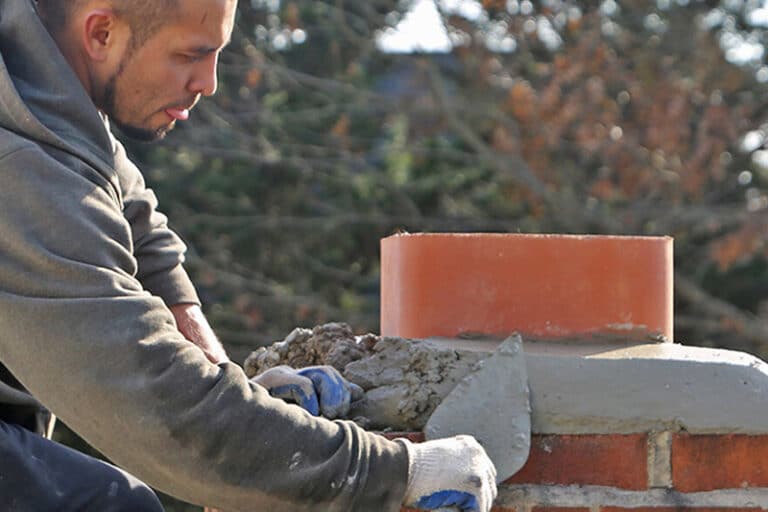
If you’re staring at cracked mortar or a leaning stack and wondering what’s next, you’re not alone. Choosing between chimney repair and a full rebuild comes down to safety, severity, and long‑term value. At Sweep Your Chimney DMV, we help homeowners across Maryland, Virginia, and DC make a clear, confident choice after a thorough inspection.
How To Assess Chimney Damage
A careful assessment is step one. We start with a visual review, then move into hands‑on checks and camera scans so we can see what the eye can’t.
Common Structural And Water Issues
Water is the usual culprit behind chimney trouble. Here’s what we look for:
- Missing or crumbling mortar joints
- Spalling or cracked bricks
- Crown cracks that let water seep into the chase
- Rust on the damper or firebox components
- Flashing gaps where the chimney meets the roof
- Efflorescence or white staining that signals moisture travel
If you’re noticing leaks, a musty or smoky odor on humid days, or staining on ceilings near the chimney, moisture is already at work.
Safety And Performance Red Flags
Some issues can’t wait:
- A leaning or bowing chimney
- Severe vertical cracking or long stair‑step cracks
- A deteriorated or blocked flue that affects draft and raises carbon monoxide risk
- Large sections of loose brick at the top courses
These conditions may point to a structural failure or a compromised lining, which often shifts the conversation from routine repair to partial or full rebuild.
Inspection And Testing Methods
We match the inspection level to your situation:
- Level 1 Inspection: For systems in regular use with no changes. We check overall soundness, the visible flue, and appliance connections.
- Level 2 Inspection: Recommended after a fuel change, a new appliance, a flue material change, or a property sale. We use video cameras to evaluate the entire flue for cracks, gaps, and defects.
- Level 3 Inspection: When serious hazards are suspected. This can involve limited access opening to evaluate hidden areas.
Sweep Your Chimney DMV performs these inspections across Rockville, Bethesda, Silver Spring, College Park, Gaithersburg, Ellicott City, Potomac, Chevy Chase, Columbia, and throughout Northern Virginia and Washington, DC.
Repair vs. Rebuild: How To Decide
We balance safety, cost, and service life. Minor to moderate defects are typically handled with repair. Major structural failure, recurring leaks that return after proper fixes, or a flue that can’t be brought to code often point to a rebuild.
Thresholds For Damage And Deterioration
You’re likely in repair territory if:
- Mortar joints are failing but bricks are sound
- The crown is cracked but the stack is plumb
- Flashing leaks are isolated
You’re moving toward partial or full rebuild if:
- The chimney is leaning, bulging, or separating from the home
- There’s extensive spalling or widespread mortar loss
- The flue is fractured throughout and relining won’t meet code or performance needs
Local building codes and industry standards set practical thresholds. When a chimney can’t safely support itself or vent properly, rebuilding becomes the safer and more cost‑effective path.
Code Compliance And Appliance Changes
Upgrades and appliance swaps can change the decision. If you’ve converted to gas, added a higher‑efficiency insert, or changed flue material, the chimney may need relining or resizing to meet draft requirements and modern codes. If the structure is too degraded to support those upgrades, a rebuild may be the cleanest fix.
Partial Rebuilds As A Middle Ground
Not every project is all or nothing. We often rebuild the top few courses and crown, replace damaged sections above the roofline, or reconstruct a failing shoulder while preserving sound lower masonry. This approach restores safety and weather protection without the cost of a full teardown. In many cases, it pairs well with a stainless steel liner to give you a safe, long‑lasting system.
What Repairs Involve
Repairs focus on stopping water, restoring structure, and making the system vent correctly.
Tuckpointing, Crown Repair, And Waterproofing
- Tuckpointing: We remove deteriorated mortar and pack fresh mortar that matches your existing joints. This stabilizes the stack and seals out water.
- Crown repair: Hairline cracks are sealed with an elastomeric crown coating. Severe damage calls for a new poured crown with proper overhang and drip edge.
- Waterproofing: A vapor‑permeable water repellent keeps bulk water out while allowing the masonry to breathe.
Liners, Flue Resizing, And Caps
- Relining: Stainless steel liners solve many draft and safety problems, especially when tiles are cracked or missing. They’re durable and serviceable.
- Resizing: Matching the liner and flue to the appliance improves draft, reduces condensation, and cuts soot buildup.
- Caps and chase covers: A proper cap with spark arrestor and a tight chase cover keep out rain, animals, and debris.
Expected Costs And Service Life
Typical ranges in our region:
- Minor repair or sealing: about $150 to $800
- Tuckpointing: about $500 to $2,500 depending on height and access
- Crown or flashing replacement: about $200 to $800 for straightforward cases
- Stainless liner installation: varies by height and appliance
With routine maintenance, quality repairs can last 10 to 30 years. Sweep Your Chimney DMV also offers cleaning and leak repair plans to protect that investment.
What Rebuilds Involve
Rebuilds replace failing sections with new, code‑compliant masonry and components.
Partial Versus Complete Rebuild Scope
- Partial rebuild: Often the top few feet above the roofline, a new crown, and new cap. This addresses weather‑exposed damage while keeping the stable lower stack.
- Complete rebuild: A teardown to the firebox or to sound structure, then reconstruction of the stack, flue system, and exterior finish.
Materials, Design, And Code Upgrades
We use modern masonry units, corrosion‑resistant reinforcement where appropriate, and new crowns with proper drip edges. Many full rebuilds pair with a new liner sized to the appliance, updated flashing, and a cap designed to shed water and keep wildlife out. The result is a safer, easier‑to‑maintain system that drafts better.
Site Access And Weather Constraints
Chimney work is weather sensitive. Mortar needs the right temperature and dry conditions. We plan staging, protection, and timing around seasonal rain and freeze cycles in the DC area. Tight sites in places like Alexandria, Arlington, and Washington, DC often call for creative setup, but we keep the work area neat and safe.
Costs, Timelines, And Disruption
We give clear estimates up front and keep you posted during the job so there are no surprises.
Typical Cost Ranges
- Partial rebuild: about $1,000 to $3,500
- Full rebuild: about $4,000 to $15,000 or more depending on height, complexity, and finishes
- Project duration: several days to a couple of weeks for larger builds
Insurance may help if damage was sudden, like storm‑related impact. We document conditions and supply photos to support your claim when appropriate.
Scheduling, Permits, And Inspections
We handle permits and code coordination in counties across Montgomery, Howard, Fairfax, Arlington, and the District. You’ll know when inspections are scheduled and what to expect at each step. Our crews are licensed and follow industry standards for safety and quality.
Living In Place And Safety Setup
You can usually stay home during the work. We protect nearby rooms, set dust control, and create safe walk paths. Outside, we use barriers and caution tape to keep kids, pets, and neighbors away from the staging area. Expect some noise and temporary driveway use for material delivery.
Long-Term Value And Risk
Beyond the upfront bill, think about safety, performance, and what you’ll spend over time.
Draft, Efficiency, And Moisture Control
A sound chimney drafts better. That means cleaner burns, fewer odors, and less creosote. Good crowns, flashing, and waterproofing stop repeat leaks that stain ceilings and damage framing. If your flue matches the appliance, you’ll notice steadier fires and less smoke spillage.
Insurance, Warranties, And Resale
Quality repairs and rebuilds often include workmanship and material warranties. Buyers and home inspectors in markets like McLean, Vienna, Great Falls, and Falls Church look closely at chimney condition. Documentation from a licensed contractor helps your resale story and can reduce haggling.
Maintenance To Protect Your Investment
Annual inspections and routine sweeps keep small issues small. We recommend:
- Yearly Level 1 inspection for regularly used systems
- Level 2 before a sale or after any system change
- Prompt leak fixes and mortar touch‑ups
- Periodic waterproofing on exposed masonry
Sweep Your Chimney DMV provides chimney cleaning, leak repair, and relining across Hyattsville, Elkridge, Ellicott City, Annandale, and beyond. We also offer financing options to make larger projects manageable.
Conclusion
Choosing between chimney repair and a full rebuild is a safety and value decision. We’ll inspect, show you what we find, and explain the options in plain language so you can pick what’s right for your home and budget. If you’re in Rockville, Bethesda, Silver Spring, Gaithersburg, Arlington, Alexandria, Washington, DC, or nearby, reach out to Sweep Your Chimney DMV. Call or message us to schedule your inspection, get a clear plan, and keep your fireplace ready for the season.
Frequently Asked Questions
What signs indicate I need chimney repair vs. a full rebuild?
Choose chimney repair if bricks are sound, mortar joints are failing, or leaks are isolated to flashing or a cracked crown. A full or partial rebuild is safer when the chimney is leaning or bulging, there’s widespread spalling or mortar loss, or the flue is fractured and can’t be brought to code.
How do Level 1, Level 2, and Level 3 chimney inspections differ?
Level 1 checks overall condition and visible components for systems in regular use. Level 2 adds video scanning of the entire flue after system changes or during a sale. Level 3 is reserved for suspected hazards and may require limited access openings to evaluate concealed areas.
What does a partial chimney rebuild include and when is it a good option?
A partial rebuild typically replaces the top courses above the roofline, installs a new crown and cap, and addresses damaged sections while preserving sound lower masonry. It’s ideal when weather‑exposed areas fail but the lower stack is stable, often paired with a stainless steel liner for long‑term performance.
How much does chimney repair or a full rebuild cost in the DMV?
Typical repair ranges: minor sealing $150–$800, tuckpointing $500–$2,500, crown/flashing $200–$800. Partial rebuilds run about ,000–,500; full rebuilds about ,000–,000+, taking several days to a couple of weeks. Insurance may assist with sudden damage. Clear estimates and permits are coordinated before work begins.
When is the best time of year to schedule chimney repair or a full rebuild?
Masonry work performs best in mild, dry conditions, so late spring through early fall is ideal. Avoid sustained freezing or heavy rain, which can compromise mortar curing and waterproofing. Booking outside peak heating season also reduces downtime and helps you complete repairs before holiday fireplace use.
Is it safe to use my fireplace while deciding between chimney repair and a full rebuild?
If the chimney is leaning, has severe vertical or stair‑step cracks, loose top courses, or poor draft/CO risk, stop using it and schedule an inspection. Minor cosmetic issues may not be urgent, but pausing use until a Level 1 or 2 inspection confirms safety is the prudent choice.
