
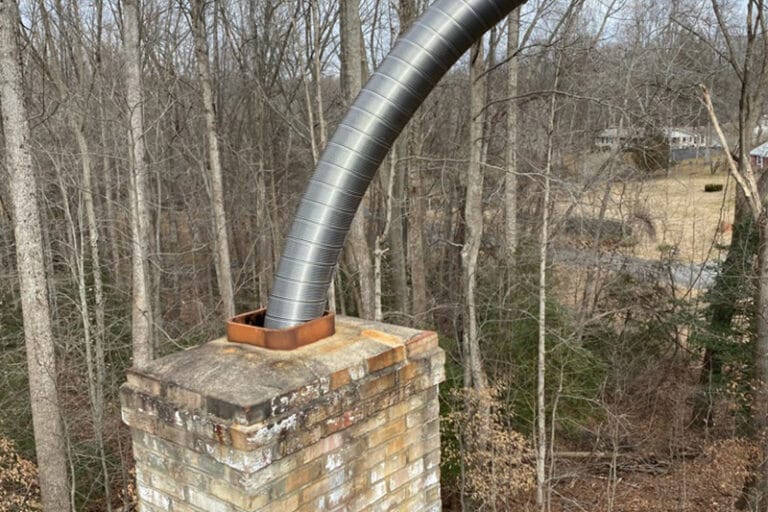
If you’ve ever wondered what keeps your fireplace safe and efficient year after year, the answer is hiding inside your chimney. We’re talking about the chimney liner, and it’s one of those “out of sight, out of mind” components that homeowners across the DC, Maryland, and Virginia area tend to overlook. Until something goes wrong.
At Sweep Your Chimney DMV, we’ve seen firsthand what happens when a damaged liner goes unaddressed. Smoke backing into living rooms. Dangerous heat transferring to wood framing. Even carbon monoxide seeping into homes. The good news? Chimney relining can prevent all of that while adding decades of life to your fireplace system.
Whether you’re in Bethesda, Alexandria, or anywhere in between, understanding chimney relining is one of the smartest moves you can make as a homeowner. Let’s break down what it is, when you need it, and why it matters.
Key Takeaways
- Chimney relining can extend the life of your fireplace and chimney by decades while preventing dangerous heat transfer, carbon monoxide leaks, and structural damage.
- Common signs you need chimney relining include cracked clay tiles, corroded metal sections, smoke backing into the room, persistent odors, and excessive creosote buildup.
- Stainless steel liners are the most popular relining option today, offering durability, flexibility, and compatibility with wood, gas, and oil-burning appliances.
- Homeowners with chimneys 15–20+ years old should schedule a professional camera inspection to assess liner condition, even if no visible problems exist.
- Schedule chimney relining before the burning season starts to ensure your fireplace is safe and efficient when cold weather arrives.
- Pairing chimney relining with annual inspections and regular maintenance maximizes your investment and keeps your home safe for years to come.
What Is Chimney Relining?
Your chimney isn’t just a hollow brick tube. Inside that masonry structure sits a liner, which is essentially a protective sleeve that runs the length of the flue. This liner can be made of clay tiles, metal, or a cast-in-place cement material. Its job is to contain heat, smoke, and combustion gases while protecting the surrounding masonry and any combustible materials nearby (like your home’s wood framing).
Chimney relining is the process of installing a new liner inside an existing flue. This becomes necessary when the original liner has deteriorated, cracked, or simply can’t handle the demands of your current heating appliance.
Think of it like this: your liner is the protective barrier between extremely hot, corrosive gases and everything else. When that barrier fails, you’re looking at safety hazards and structural damage that can cost far more than the relining itself.
For homeowners in areas like Rockville, Silver Spring, and Falls Church, where older homes are common, chimney relining is something we recommend evaluating every 15 to 20 years, especially if the liner has never been inspected.
Signs Your Chimney Needs Relining
Not sure if your chimney needs a new liner? Here’s what to watch for.
Visible Damage and Deterioration
The most obvious signs show up during a professional inspection, but some you might notice yourself:
- Cracked, missing, or crumbling clay tiles. If you see chunks of tile or flakes in your firebox, that’s liner material breaking down.
- Corroded, split, or warped metal sections. Metal liners can deteriorate over time, especially if they weren’t properly matched to your fuel type.
- Crumbling mortar or bricks inside the flue. This indicates the liner isn’t doing its job of protecting the masonry.
Homeowners in Potomac, McLean, and Great Falls often have chimneys that are 30 or 40 years old. If yours falls into that category and hasn’t been inspected recently, it’s worth scheduling a camera inspection to see what’s going on inside.
Performance Issues
Sometimes the damage isn’t visible from the firebox. Instead, you’ll notice performance problems:
- Poor draft or smoke backing into the room. A damaged liner can disrupt airflow, making your fireplace inefficient and unpleasant to use.
- Strong, persistent odors. Creosote buildup or gases leaking through cracks can create musty or smoky smells, even when the fireplace isn’t in use.
- Excessive creosote buildup. If your chimney sweep is finding heavy deposits every year, liner problems could be contributing.
- Moisture, staining, or condensation. Water getting in through liner cracks accelerates deterioration and can cause interior damage.
If you’ve had a chimney fire in the past, even a small one, relining should be at the top of your list. The intense heat from a chimney fire can damage liners in ways that aren’t always immediately obvious.
Types of Chimney Liners
When it comes to chimney relining, you’ve got options. The right choice depends on your fuel type, budget, and the condition of your existing chimney.
Clay Tile Liners
These are the most common liners in older homes throughout the DC metro area. They’re affordable and do a decent job, but they’re also prone to cracking over time. With proper care, clay tile liners typically last 20 to 30 years. Replacing individual cracked tiles can be tricky because of how they’re stacked, so full relining is often the better long-term solution.
Stainless Steel Liners
This is the most popular option for relining projects today. Stainless steel liners are durable, flexible enough to fit down existing flues, and compatible with wood, gas, and oil-burning appliances. A quality stainless steel liner can last 15 to 20 years minimum, with many reaching 30 to 50 years when properly maintained.
Aluminum Liners
These are typically reserved for gas appliances only. They’re lighter and less expensive than stainless steel but not suitable for wood-burning fireplaces due to the higher temperatures involved.
Cast-in-Place Liners
This option involves applying a cement-like material directly inside the flue, creating a seamless, insulated liner. Cast-in-place liners are excellent for restoring structural integrity to damaged chimneys and can last for decades. They’re especially useful for irregularly shaped flues or chimneys with existing damage to the masonry.
For homeowners in Columbia, Ellicott City, and Elkridge dealing with older chimney systems, we often recommend stainless steel or cast-in-place liners because of their durability and versatility.
How Relining Protects Your Fireplace and Home
So why does chimney relining matter so much? It comes down to four key protections.
Prevents Heat Transfer to Combustibles
A properly functioning liner keeps intense heat contained within the flue. Without it, that heat can transfer to nearby wood framing, increasing the risk of a house fire. This isn’t hypothetical. It’s one of the leading causes of chimney-related fires in residential homes.
Protects Your Masonry
The gases produced by burning wood, gas, or oil are acidic and corrosive. Over time, they eat away at mortar and brick. A good liner acts as a barrier, keeping those corrosive byproducts away from your chimney’s structural components. This slows deterioration and extends the overall lifespan of your chimney.
Improves Draft and Efficiency
A damaged liner often means a compromised draft. When your chimney can’t pull air properly, smoke lingers, fires burn less efficiently, and creosote builds up faster. Relining restores optimal airflow, which means better fires and less maintenance.
Contains Dangerous Gases
Carbon monoxide is colorless and odorless. If your liner has cracks or gaps, this deadly gas can seep into your living spaces instead of being safely vented outdoors. Relining eliminates those pathways and keeps your family safe.
For families in Hyattsville, College Park, Gaithersburg, and throughout the region, these protections aren’t optional. They’re essential.
The Relining Process Explained
Wondering what actually happens during a chimney relining project? Here’s a step-by-step look at the process.
1. Inspection
Everything starts with a thorough inspection. We use camera equipment to get a clear view of the existing liner and flue condition. This helps us identify the extent of any damage and determine the best relining approach.
2. Cleaning and Preparation
Before installing a new liner, the flue needs to be cleaned. Creosote, debris, and any loose material get removed to ensure the new liner sits properly and performs as expected.
3. Liner Selection and Sizing
Not all liners are interchangeable. The liner needs to be properly sized for your specific appliance and meet local building codes. Using the wrong size can create draft problems or safety issues.
4. Installation
For metal liners, this typically involves feeding the liner down through the flue from the top of the chimney. Insulation may be added around the liner to improve performance and protect against condensation. Cast-in-place liners involve pumping the material into the flue and allowing it to cure.
5. Connections and Termination
The liner gets connected to your fireplace or heating appliance at the bottom and properly terminated at the top with a cap. This cap keeps out rain, animals, and debris.
6. Testing
Finally, we run smoke and draft tests to make sure everything is working correctly. You’ll get documentation of the work for your records.
The whole process usually takes a day, sometimes two for more complex situations. And at Sweep Your Chimney DMV, we handle everything from the initial inspection through final testing.
When to Schedule Chimney Relining
Timing matters when it comes to chimney relining. Here are the situations where you should seriously consider it:
- Your liner is cracked, missing sections, or severely corroded. Any of these conditions compromise safety and efficiency.
- You’re converting to a different fuel type. Switching from wood to gas (or vice versa) often requires a different liner size or material.
- Your home is 15 to 20+ years old and the liner has never been inspected. Even if everything seems fine, hidden damage could be developing.
- You’ve experienced a chimney fire. The intense heat from even a minor chimney fire can cause serious liner damage that isn’t visible from outside.
- You’re noticing performance issues. Smoke problems, odors, or excessive creosote are all reasons to investigate liner condition.
The best time to schedule relining is before the burning season starts. This gives you time to address any issues and ensures your fireplace is ready to go when temperatures drop. For homeowners in Arlington, Vienna, Annandale, Chevy Chase, and Washington, D.C., fall appointments fill up fast, so planning ahead makes a difference.
We also offer financing options to help make chimney maintenance and repairs more manageable. Because we know unexpected home expenses aren’t always easy to budget for.
Conclusion
A chimney liner might not be the most exciting part of your home, but it’s one of the most important. By restoring a safe, properly sized, and insulated flue, chimney relining can extend the life of your fireplace and chimney by decades. It boosts efficiency, protects your masonry, and significantly reduces the risk of fire and carbon monoxide exposure.
Pairing relining with annual inspections and regular maintenance is the best way to get the most out of your investment. Think of it as giving your fireplace the foundation it needs to keep your home warm and safe for years to come.
If you’re in the DC, Maryland, or Virginia area and wondering about the condition of your chimney liner, reach out to us at Sweep Your Chimney DMV. We serve homeowners throughout Rockville, Bethesda, Silver Spring, Alexandria, and beyond. Our team will inspect your chimney, explain your options clearly, and help you make the right decision for your home and budget. Give us a call or schedule an inspection online. Your fireplace will thank you.
Frequently Asked Questions
What is chimney relining and why is it important?
Chimney relining is the process of installing a new protective liner inside your existing flue. It’s essential because the liner contains heat, smoke, and combustion gases while protecting your home’s structure from fire hazards and preventing dangerous carbon monoxide from seeping into living spaces.
How do I know if my chimney needs relining?
Common signs include cracked or crumbling clay tiles in your firebox, smoke backing into your room, persistent musty odors, excessive creosote buildup, and visible moisture or staining. If your chimney is over 15–20 years old or you’ve experienced a chimney fire, schedule a professional camera inspection.
How long does a chimney liner last?
Liner lifespan varies by material. Clay tile liners typically last 20–30 years, while quality stainless steel liners can last 15–50 years with proper maintenance. Cast-in-place liners also offer decades of durability. Regular inspections help maximize your liner’s longevity.
What types of chimney liners are available for relining?
The main options are stainless steel liners (most popular, works with wood, gas, and oil), aluminum liners (gas appliances only), clay tile liners (common in older homes), and cast-in-place liners (ideal for damaged or irregularly shaped chimneys). Your fuel type and chimney condition determine the best choice.
How much does chimney relining cost?
Chimney relining costs typically range from $1,500 to $5,000 or more, depending on liner material, chimney height, and complexity. Stainless steel liners are mid-range, while cast-in-place options cost more. Many chimney companies offer financing to make repairs more manageable.
Can chimney relining extend the life of my fireplace?
Yes, chimney relining can extend your fireplace and chimney’s lifespan by decades. A new liner protects masonry from corrosive gases, improves draft efficiency, prevents dangerous heat transfer to combustibles, and ensures safe venting of carbon monoxide outdoors.
