
When the last fire of the season fades and warmer weather rolls in, most homeowners in the DMV area don’t give their chimneys a second thought. And honestly, that’s understandable. You’ve got summer barbecues to plan, vacations to take, and a fireplace that won’t see action for months.
But here’s the thing: summer is actually the best time to get your chimney ready for the next heating season. At Sweep Your Chimney DMV, we’ve helped hundreds of homeowners across Maryland, Virginia, and Washington, D.C. understand why a little attention now saves a lot of headaches later. Whether you have a wood-burning fireplace or a gas unit in Bethesda, Silver Spring, Arlington, or Alexandria, taking care of your chimney during the off-season means you’ll be ready to light that first cozy fire without worry when the temperatures drop again.
Key Takeaways
- Summer is the ideal time for chimney maintenance because you have more scheduling flexibility and better weather conditions for repairs.
- Annual chimney inspections and cleanings remove dangerous creosote buildup, which is the leading cause of chimney fires.
- Masonry repairs like tuckpointing and crown repair cure best in warm, dry weather—making summer the perfect time to address these issues.
- Installing a chimney cap prevents moisture, debris, and animals from entering your flue during the off-season.
- Closing your damper properly during summer reduces energy loss, blocks humid air, and helps prevent unpleasant odors from entering your home.
- Scheduling your chimney inspection now means you’ll avoid the fall rush and be ready for the first fire of the season without worry.
Why Summer Chimney Maintenance Matters
You might be wondering why you’d bother thinking about your chimney when it’s 90 degrees outside. Fair question. The short answer is that summer gives you time, flexibility, and better conditions to address issues that could become serious problems by winter.
First, there’s the safety factor. If you’ve been burning fires throughout the colder months, creosote has been building up inside your flue. Creosote is that dark, tar-like residue left behind by burning wood, and it’s highly flammable. The Chimney Safety Institute of America recommends annual cleanings precisely because creosote accumulation is the leading cause of chimney fires. Getting it removed now, while your fireplace sits unused, eliminates that risk before the next burning season.
Second, summer weather in the DMV region can be brutal on chimneys. The combination of heat, humidity, and afternoon thunderstorms creates perfect conditions for moisture damage. Water gets into small cracks in your masonry, and over time, those cracks grow. By fall, what started as a minor issue could be a significant repair. Addressing masonry problems during warm, dry weather means repairs cure properly and last longer.
There’s also the odor issue. If you’ve ever noticed a musty, unpleasant smell coming from your fireplace during humid summer months, that’s likely creosote and soot reacting to moisture. A clean chimney doesn’t have this problem.
Finally, scheduling is simply easier. Our busiest time at Sweep Your Chimney DMV is fall, when everyone suddenly remembers they have a fireplace. Summer appointments are more flexible, and you won’t be scrambling to get service before the first cold snap.
Schedule a Professional Chimney Inspection and Cleaning
We can’t stress this enough: annual professional inspections are essential. It doesn’t matter if you burned a dozen fires last winter or just a couple. An inspection catches problems you’d never see on your own, and a thorough cleaning removes buildup that affects both safety and efficiency.
For homeowners in Rockville, Potomac, McLean, Great Falls, and throughout the region, we recommend combining your inspection with a full chimney sweep. This clears out creosote, soot, animal nests (more common than you’d think), leaves, and other debris that can block airflow or create fire hazards.
What to Expect During a Chimney Inspection
If you’ve never had a professional chimney inspection, here’s what typically happens during a Level 1 inspection, which is the standard for chimneys in regular use.
Our technicians start with a visual examination of the accessible parts of your chimney, including the flue liner, firebox, chimney crown, and exterior masonry. We’re looking for cracks, deterioration, blockages, and any signs of damage or wear.
We’ll check your damper to make sure it opens and closes properly. A stuck or damaged damper can cause draft problems and let conditioned air escape your home year-round.
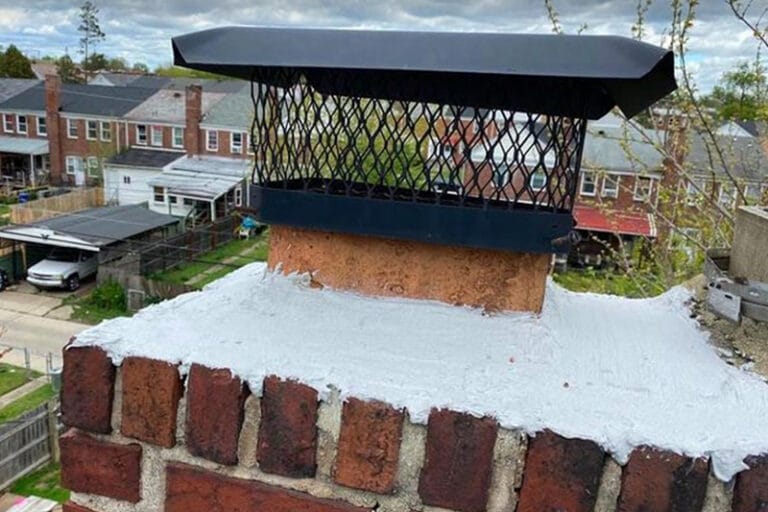
The chimney cap gets a close look too. This is the metal cover at the top of your chimney that keeps rain, snow, and animals out. Caps can rust, develop gaps, or get knocked loose by storms.
We also inspect the flashing, which is the metal seal where your chimney meets the roof. Damaged flashing is one of the most common sources of chimney leaks.
After the inspection, you’ll get a clear explanation of what we found and recommendations for any necessary repairs, waterproofing, or component replacement. No surprises, no pressure, just honest information so you can make informed decisions about your home.
Make Essential Repairs Before Summer
Here’s a practical tip: if your inspection reveals repair needs, don’t wait until fall to address them.
Masonry repairs like tuckpointing, crown repair, and brick replacement are best done in warm, dry weather. The mortar and sealants used in these repairs need proper curing time, and they don’t cure well in cold or wet conditions. Summer in areas like Columbia, Ellicott City, Gaithersburg, and College Park gives us ideal conditions for this work.
Common repairs we handle during the off-season include:
- Chimney crown repair: The crown is the cement top of your chimney that deflects water away from the flue. Cracks here lead to water penetration and accelerated deterioration.
- Tuckpointing: This involves replacing deteriorated mortar between bricks. It’s both a structural repair and a moisture barrier.
- Flue liner repair or replacement: Over time, the inner lining of your chimney can deteriorate due to heat, moisture, and chemicals in flue gases. A damaged liner is a safety hazard and reduces efficiency.
- Firebox repairs: Cracks in the firebox (the area where you build your fire) can let heat reach combustible materials in your walls.
- Damper replacement: If your damper is rusted, warped, or won’t seal properly, it’s costing you money on heating and cooling bills.
Getting these repairs done now means your chimney is ready to go when you need it, and you’re not competing with everyone else for service appointments in October.
Protect Your Chimney From Moisture and Pests
Moisture is a chimney’s worst enemy. And in the humid summers we get across the DMV, from Vienna to Falls Church to Hyattsville, moisture protection is especially important.
Installing a Chimney Cap
If your chimney doesn’t have a cap, or if the existing one is damaged, this is a straightforward upgrade that makes a big difference.
A chimney cap sits at the top of your flue and serves several functions:
- Keeps rain and snow out of your chimney
- Blocks leaves, twigs, and other debris
- Prevents birds, squirrels, bats, and raccoons from nesting inside (we’ve seen it all)
- Includes a spark arrestor that stops embers from landing on your roof
Animal entry is more common than most people realize. During spring and early summer, birds and squirrels are looking for nesting spots, and an uncapped chimney looks like prime real estate. Once they’re in, you’ve got blockages, debris, and potentially animals stuck in your flue. A cap prevents all of this.
Applying Waterproof Sealant
Masonry is porous, which means it absorbs water. When that water freezes and thaws repeatedly over winter, it causes the bricks and mortar to crack and crumble. This freeze-thaw cycle is particularly hard on chimneys in the Washington, D.C. area, where winter temperatures fluctuate above and below freezing regularly.
A vapor-permeable waterproofing treatment creates a barrier that keeps liquid water out while still allowing the masonry to breathe. This is important because trapped moisture causes just as many problems as water infiltration.
Waterproofing is a relatively inexpensive preventive measure that can significantly extend the life of your chimney‘s masonry. We apply it after any necessary repairs are completed, and it’s best done in dry weather when the bricks can properly absorb the sealant.
Close and Seal the Damper Properly
Once your chimney has been inspected and cleaned, and the flue is completely cool and clear of any remaining ash or debris, it’s time to close up for the season.
Your damper is the movable plate inside your chimney that controls airflow. When you’re burning a fire, it’s open to allow smoke to escape. When the fireplace isn’t in use, it should be closed.
A closed damper during summer does several things:
- Reduces energy loss: An open damper is basically a hole in your house. During summer, your air conditioning is working to cool your home while conditioned air escapes right up the chimney. In winter, the reverse happens with heated air.
- Keeps out humid air: Our DMV summers are humid. That moisture-laden air coming down your chimney can create odors and contribute to interior moisture problems.
- Blocks pests: While a damper won’t stop determined animals like a chimney cap will, it adds another layer of protection against insects and smaller critters.
- Reduces odors: With the damper closed, any residual odors from past use stay contained rather than wafting into your living space.
If your damper doesn’t close completely or feels like it’s not sealing well, that’s something to address. A new damper, particularly a top-sealing damper that mounts at the top of the flue, can significantly improve energy efficiency.
Keep the Fireplace Area Clean and Ventilated
Before you close up shop for the summer, take a few minutes to tidy up the fireplace area itself.
Start by removing old ashes and debris from the firebox. A thin layer of ash (about an inch) is actually beneficial if you’ll be burning fires again, as it helps insulate the fire. But anything beyond that should go. Old ash can absorb moisture during humid months, leading to musty smells and potentially attracting insects.
Give the firebox a gentle cleaning. You don’t need to go overboard, but removing loose soot and debris improves indoor air quality and keeps things fresh.
If you store firewood, keep it outside, not in your garage or living space. Firewood stored indoors can introduce insects, mold spores, and excess moisture into your home. Stack it in a dry location away from the house, elevated off the ground if possible.
Finally, make sure the fireplace area has some light ventilation. You don’t want it sealed up so tightly that moisture gets trapped. The goal is a clean, dry space that’s ready for use when the weather turns cold again.
For gas fireplace owners in Annandale, Chevy Chase, Elkridge, and elsewhere in our service area, summer is also a good time for professional maintenance. We inspect gas supply lines, wiring, and individual components to ensure everything is operating safely and efficiently. Gas units need attention too, even if they don’t produce the creosote buildup that wood-burning fireplaces do.
Conclusion
Getting your chimney ready for the summer off-season isn’t complicated, but it does require some attention. An annual inspection and cleaning, timely repairs, moisture protection, and proper closure will keep your chimney safe, dry, and ready for immediate use when the temperature drops.
The best part? Handling this now means you’re not thinking about it in October when everyone else suddenly remembers they have a fireplace.
At Sweep Your Chimney DMV, we’ve been helping homeowners throughout Maryland, Virginia, and Washington, D.C. maintain their chimneys and fireplaces for years. Whether you’re in Alexandria, Arlington, Silver Spring, or anywhere else in the region, our team is ready to help you get your chimney into top shape.
Ready to schedule your summer chimney inspection? Give us a call or reach out online. We’ll take care of the dirty work so you can enjoy your fireplace worry-free when the cold weather returns.
Frequently Asked Questions
Why is summer the best time for chimney maintenance?
Summer offers ideal conditions for chimney maintenance because you have more scheduling flexibility, warm and dry weather allows masonry repairs to cure properly, and addressing issues now prevents them from becoming serious problems by winter. It also eliminates creosote buildup that poses fire risks before the next burning season.
How often should I have my chimney inspected and cleaned?
The Chimney Safety Institute of America recommends annual chimney inspections and cleanings regardless of how often you use your fireplace. Regular inspections catch hidden problems like creosote buildup, damaged flue liners, and masonry cracks that affect both safety and efficiency.
What causes the musty smell from my fireplace in summer?
That unpleasant odor is typically caused by creosote and soot residue reacting with humid summer air. Moisture enters the chimney and activates these deposits, creating musty smells that drift into your home. A professional chimney cleaning eliminates this problem by removing the buildup.
Should the damper be open or closed during summer?
Your damper should be closed during summer after cleaning. An open damper allows conditioned air to escape, increases energy bills, lets humid air enter your home, and provides an entry point for pests and insects. A properly sealed damper keeps your home comfortable and odor-free.
What does a chimney cap do and do I need one?
A chimney cap prevents rain, snow, debris, and animals from entering your flue while also featuring a spark arrestor to protect your roof. Without one, birds, squirrels, and raccoons may nest inside, causing blockages and potential hazards. It’s a simple, cost-effective upgrade for any chimney.
Can I skip chimney maintenance if I have a gas fireplace?
No, gas fireplaces still require annual professional maintenance. While they don’t produce creosote like wood-burning units, technicians need to inspect gas supply lines, wiring, and components to ensure safe and efficient operation. Summer is an ideal time to schedule this service.
