
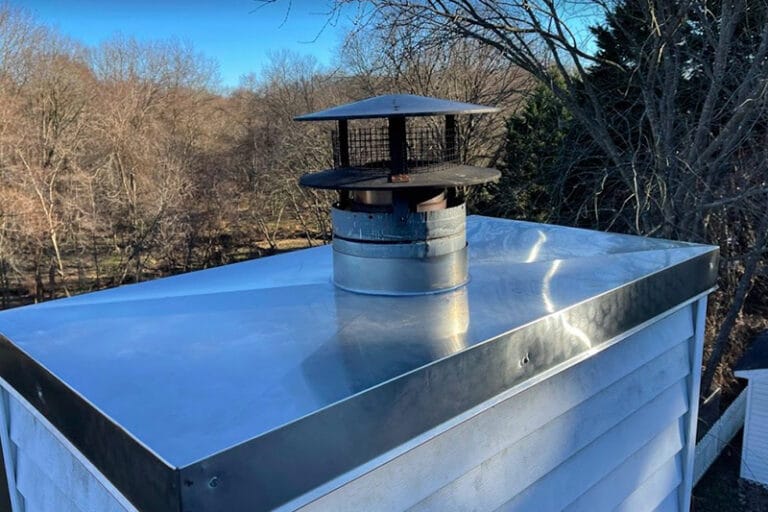
If you’ve ever wondered whether a chimney cap is really worth the investment, we’re here to tell you, it absolutely is. This simple metal covering sits at the top of your chimney, but don’t let its modest appearance fool you. A properly installed chimney cap protects your home from water damage, keeps critters out, and even improves your fireplace’s efficiency. At Sweep Your Chimney, we’ve seen firsthand what happens when homeowners skip this crucial component. Spoiler alert: it’s never pretty. Let’s break down exactly why chimney cap installation should be at the top of your home maintenance list.
What Is a Chimney Cap and How Does It Work?
A chimney cap is a protective covering that sits on top of your chimney flue. Think of it as a roof for your chimney, it shields the opening while still allowing smoke and gases to escape freely. Most caps are made from stainless steel, copper, or galvanized metal, and they typically feature a mesh screen around the sides.
The design is straightforward but effective. The solid top deflects rain, snow, and debris, while the mesh screening provides ventilation and keeps animals from entering. Some caps also include a spark arrestor, which prevents burning embers from escaping and potentially landing on your roof or nearby trees.
We often explain to homeowners that a chimney without a cap is essentially an open hole in your roof. Would you leave a skylight open during a thunderstorm? Probably not. Yet many homes across Maryland, Virginia, and DC have unprotected chimneys that are exposed to the elements 24/7. That’s where problems begin.
Protecting Your Home From Water Damage
Water is your chimney’s worst enemy. Without a cap, every rainstorm sends moisture directly into your flue. Over time, this causes serious damage that can spread throughout your home.
Here’s what happens when water enters an unprotected chimney:
- Deteriorating mortar joints – Water seeps into the masonry and causes mortar to crumble, weakening the entire chimney structure.
- Rusted damper and firebox – Metal components inside your fireplace corrode quickly when exposed to moisture.
- Damaged flue liner – The inner lining of your chimney can crack and deteriorate, creating safety hazards and decreasing efficiency.
- Stained ceilings and walls – Water eventually finds its way into your living space, leaving unsightly water stains and potentially promoting mold growth.
We’ve handled countless chimney leak repairs for homeowners who could have avoided the expense entirely with a simple cap installation. The cost of repairing water damage far exceeds the investment in a quality chimney cap. In fact, a damaged lining from water exposure can lead to safety hazards and decreased efficiency, issues that our chimney relining service addresses, but prevention is always the better route.
Keeping Animals and Debris Out of Your Chimney
An open chimney is basically a welcome sign for wildlife. Birds, squirrels, raccoons, and even bats see that dark, sheltered space as prime real estate for nesting. And once they move in? Getting them out becomes a whole ordeal.
Animals cause several problems when they enter your chimney:
First, their nests create blockages that prevent proper ventilation. When smoke can’t escape, it backs up into your home, bringing carbon monoxide along with it. This isn’t just inconvenient: it’s dangerous.
Second, animals sometimes get trapped and can’t find their way out. We’ll leave the details to your imagination, but suffice it to say the odors can be overwhelming and the cleanup isn’t pleasant.
Beyond wildlife, leaves, twigs, and other debris accumulate in uncapped chimneys throughout the year. These materials are highly flammable and can ignite when you light your first fire of the season.
The mesh screening on a properly installed chimney cap solves all of these problems. It allows smoke to exit while creating a barrier that keeps everything else out. Our team at Sweep Your Chimney regularly encounters animal infestations during inspections, something that’s entirely preventable with the right equipment in place.
Preventing Downdrafts and Improving Efficiency
Ever notice your fireplace smoking up the room on windy days? That’s likely a downdraft problem, and a chimney cap can help.
Downdrafts occur when wind blows across the top of your chimney and forces air back down into your home. This pushes smoke, ash, and cold air into your living space, not exactly the cozy fireplace experience you were hoping for.
Certain chimney cap designs actually use wind to their advantage. Wind-directional caps rotate with the breeze, always positioning themselves to block incoming gusts while allowing smoke to escape from the downwind side. Other designs create an upward draft that actually improves airflow.
The efficiency benefits extend beyond just preventing downdrafts. When your chimney draws properly, your fires burn more completely and produce more heat with less fuel. You’ll notice your fireplace warming your home more effectively, and you won’t waste wood on smoldering, smoky fires.
We always tell homeowners that maintaining optimal airflow is essential for getting the most out of your fireplace. Whether you use it as a primary heat source or just for cozy family gatherings, proper ventilation makes all the difference.
How to Choose the Right Chimney Cap for Your Home
Not all chimney caps are created equal. Selecting the right one depends on your specific chimney type, local climate, and budget.
Material Options
Stainless steel is our top recommendation for most homeowners. It resists rust, withstands extreme temperatures, and typically comes with a lifetime warranty. The initial cost is higher, but the durability makes it worthwhile.
Copper offers excellent longevity and develops an attractive patina over time. It’s a premium choice that adds aesthetic appeal to your roofline.
Galvanized steel is the most affordable option but has a shorter lifespan, usually 5 to 10 years before rust becomes an issue.
Size and Fit
Chimney caps must fit precisely. An ill-fitting cap won’t protect properly and may blow off during storms. You’ll need accurate measurements of your flue opening, and you should consider whether a single-flue cap or a multi-flue cap (which covers the entire chimney crown) is appropriate for your setup.
Special Features
If downdrafts are a concern, look for wind-resistant designs. Homes in wooded areas benefit from caps with finer mesh to keep out smaller debris. And if you’re worried about sparks, especially with wood-burning fireplaces, make sure your cap includes a spark arrestor.
Our certified experts can assess your chimney and recommend the best cap for your situation. We know chimneys inside and out, and we’ll make sure you get a cap that actually solves your problems.
Professional Installation vs. DIY: What to Consider
Can you install a chimney cap yourself? Technically, yes. Should you? That depends on a few factors.
DIY installation might seem straightforward, but it comes with risks. You’ll need to work on your roof, often at significant heights, and improperly secured caps can blow off or shift, leaving your chimney unprotected when you think it’s covered. Plus, selecting the wrong size or style means you’ve wasted money on a cap that doesn’t actually fit.
Professional installation offers several advantages:
- Accurate assessment – A chimney technician can identify existing damage or issues that need addressing before cap installation.
- Proper fit – We take precise measurements and ensure the cap is securely attached.
- Safety – Our team is trained and equipped for roof work, eliminating the risk of falls or injuries.
- Warranty protection – Many manufacturers require professional installation to honor their warranties.
At Sweep Your Chimney, we typically combine cap installation with a thorough chimney inspection. This approach lets us catch potential problems early, before they become major repairs. A Level 1 inspection checks the overall soundness of your chimney‘s structure and flue, ensuring everything is in optimal shape before we install your new cap.
We understand that chimney maintenance can be an unexpected expense. That’s why we offer financing options to help make the process more manageable for homeowners throughout Maryland, Virginia, and DC.
Conclusion
A chimney cap is one of the simplest and most cost-effective ways to protect your home. It guards against water damage, keeps animals out, prevents downdrafts, and improves your fireplace’s overall performance. If your chimney is currently unprotected, or if you have an old, damaged cap, don’t wait for problems to develop.
At Sweep Your Chimney, our certified professionals are ready to help homeowners across Maryland, Virginia, and DC keep their chimneys in peak condition. Contact us today to schedule an inspection and find out which chimney cap is right for your home.
